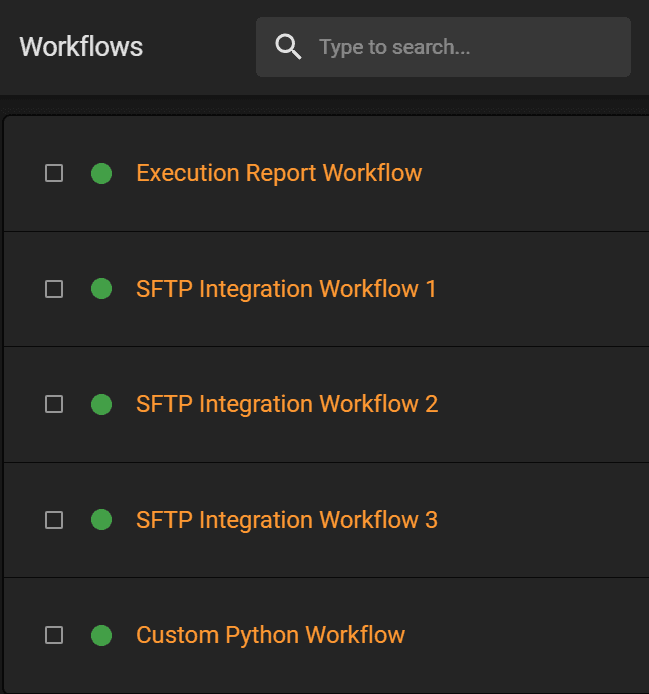
Task Scheduling and Execution Monitoring
Eliminate Errors
Hedge funds and asset managers often rely on multiple pieces of software for scheduling jobs and triggering tasks. This can increase operational overhead by involving multiple systems to perform workflows and result in a lack of logs/audit trails when things go wrong.
Everysk performs many of the tasks Dev Ops teams typically rely on additional software to perform. In addition to integrating multiple data sources, performing calculations, and distributing reports and alerts based on the results, Everysk offers job schedulers, file pollers, and API triggers built-in natively to the platform. Clients can store code in the system, call it programmatically via API, audit execution logs, and so much more using base features.
Clients enjoy faster implementation times due to smaller infrastructure requirements, can replace job schedulers used to poll SFTPs and kick off tasks, and move code bases onto a platform purpose-built for capital markets. This shifts the daily operational burdens off your dev ops team and taps into Everysk’s own monitoring tools/support team.
Explore the possibilities below.
Comprehensive Review
Task Scheduling and Execution Monitoring
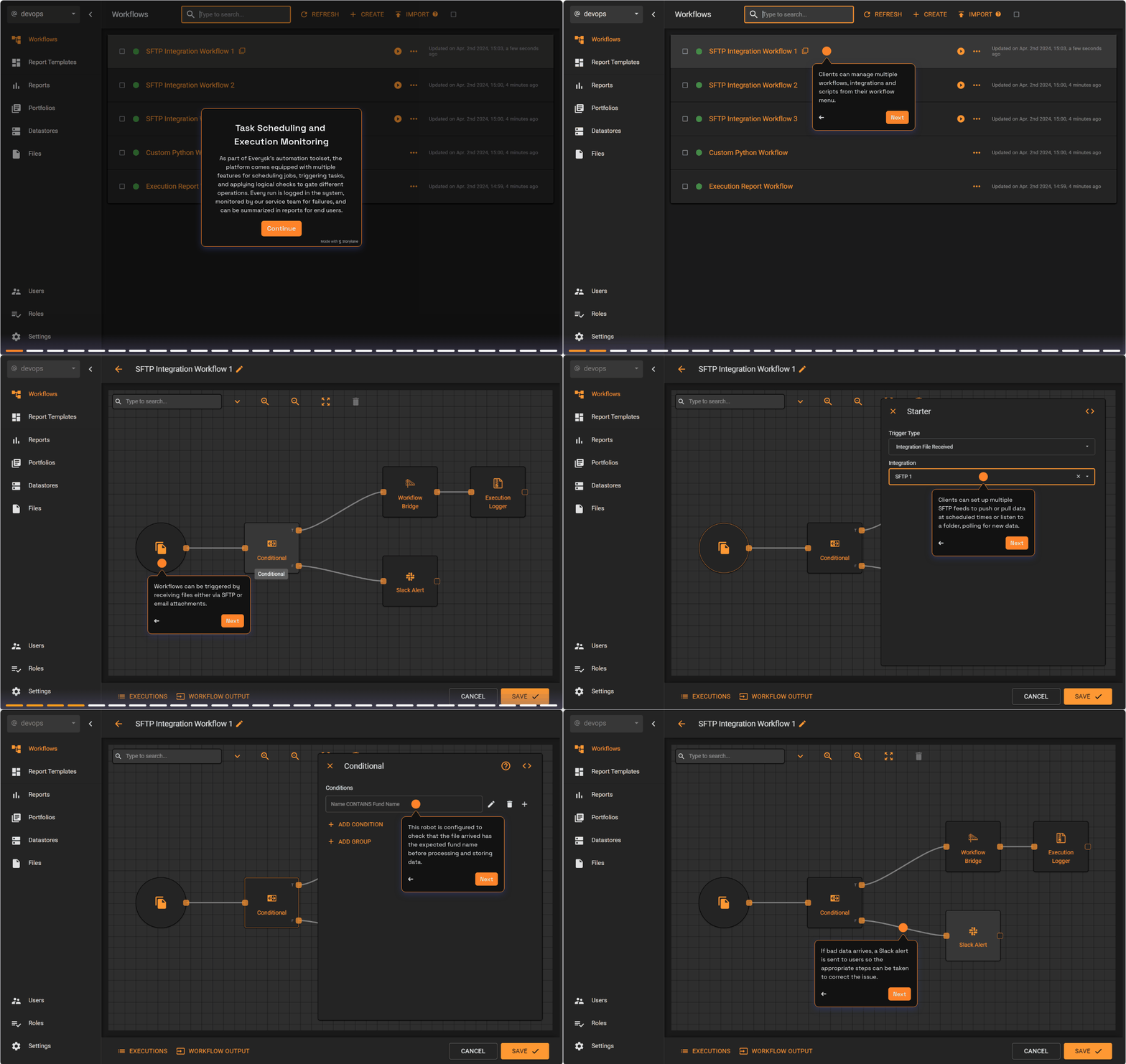
Everysk’s Task Scheduling and Execution Monitoring allows oversight into daily workflows that users have created via a drag and drop interface. See the role each plays in providing users with a comprehensive view to schedule and monitor daily workflows.
Integration Triggered Workflows
Workflows can be triggered by receiving files either via SFTP or email attachments. Can set up SFTP feeds to push or pull data, at scheduled times or listen to a folder, polling for new data.
Time-Based Workflows
Schedule any workflow natively in the platform with a no-code, user friendly interface.
API Triggered Workflows
Any workflow can be triggered via the Everysk API by specifying the workflow ID and submitting whatever inputs are required. Turn any workflow into a custom endpoint, and control your automations programmatically.
Workflow Bridges
The same way clients can trigger workflows via API, workflows can trigger other workflows. Add forking logic to call the next job if certain checks are satisfied or send out alerts if something goes wrong.
Logical Conditionals
Conditional robots provide clients a flexible framework to check data sets, dates, the presence of expected data, etc. and then trigger other workflows or alerts depending on the results.
Python Robot
Everysk allows clients to store their own Python code in a robot and connect it to a workflow. This allows organized storage of code, the ability to schedule custom jobs, trigger jobs via API and connect it to other Everysk robots to process data further with calculations, reports or distribution.
Execution Logs
Every workflow run is logged in the system with user-friendly audit trails so clients can see the incremental output of every step of every workflow ever run. Makes troubleshooting problems easier, and faster.
Execution Reports
Summaries of daily executions can be put into reports and sent out to Dev Ops teams for review and quick health checks of the system / daily flows.
Key Workflow Benefits

Alleviate Back-Office Burdens
Consolidate multiple tools for task scheduling, triggering jobs, workflow orchestration, file retrieval / parsing and submission.

Organize Code Base
Store disparate pieces of code all in one place, with transparent logs, and built-in schedulers with access to portfolios, market data, integrations, and alerts.

Replace Redundant Schedulers
No need to rely on multiple systems to schedule jobs when Everysk provides the same functionality.